Fibre Information

is it yarn or is it wool?

It is ALL yarn, but SOME of it is wool. Yarn is a general term for any spun and stranded fibre that can be used for making textile products. Yarn comes from three sources – animals, plants, and synthetics. Read on for information about the yarns I use most often.

Yarns I Use

Animal Based Fibres

Plant Based Fibres

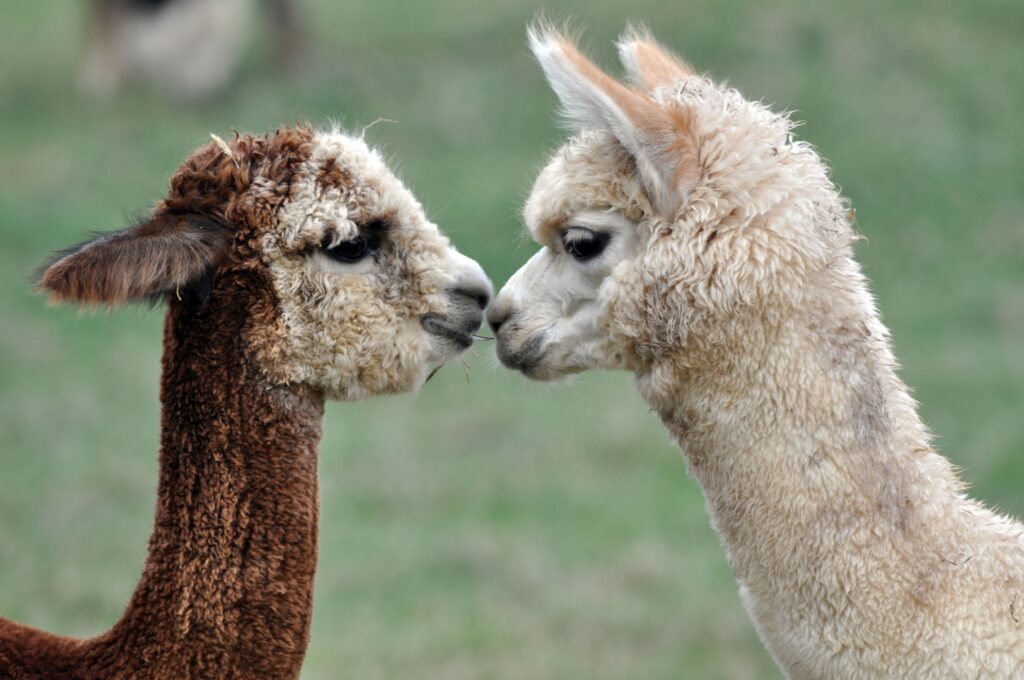
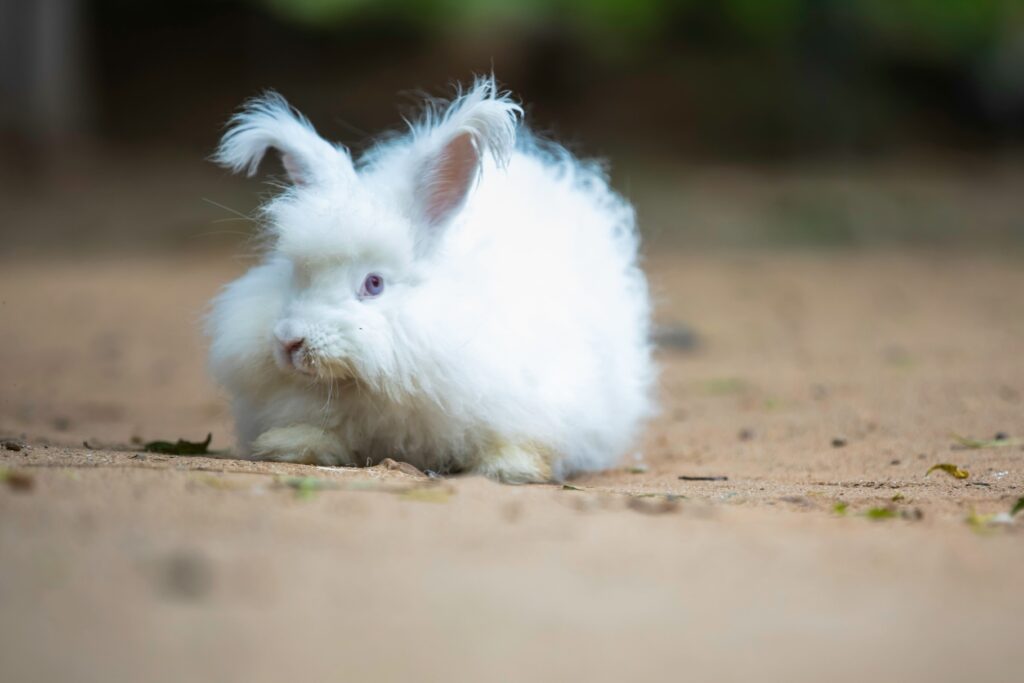
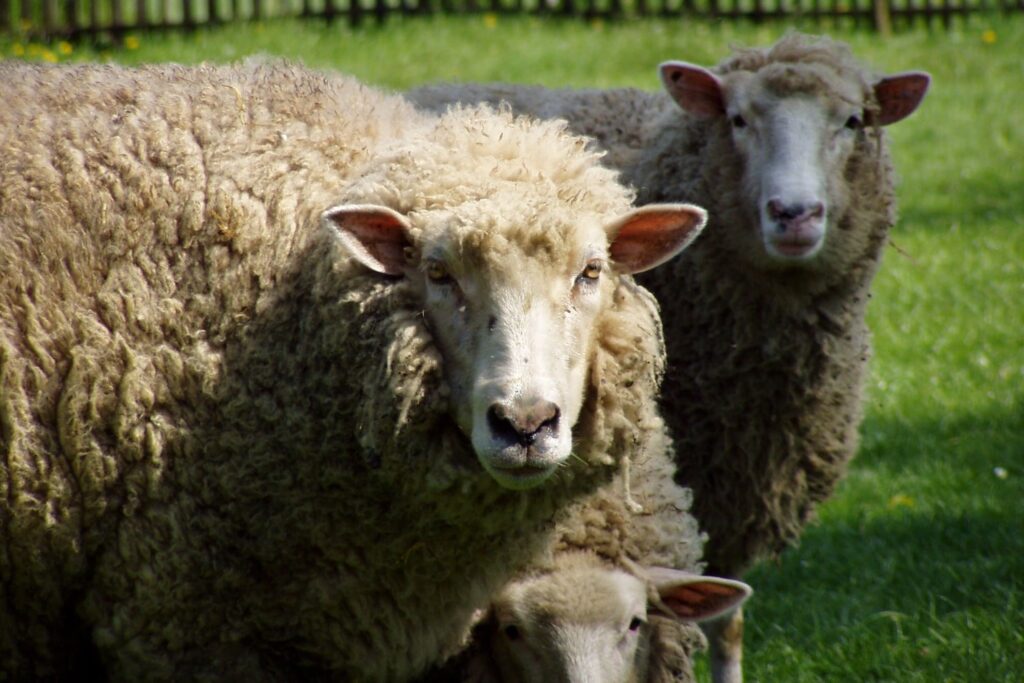
Sheep’s wool is the most obvious choice in this category, although llama and alpaca are in wide use as well. Silk, mohair, camel, and angora are also regular choices. Other animal sources may be used, but the small production quantities make the cost prohibitive unless they are being used for a bespoke order.

Most wool should be washed by hand in lukewarm (never hot) water, have the excess water squeezed out (not wrung out) using a towel, and dried flat. If the wool is labelled ‘Superwash’, you can machine wash it. Always follow the directions that came with the item.

I prefer to use 100% wool for most of my projects. Wool is warm, retains it shape well, and is water resistant. Wool that has been minimally processed will still have most of the lanolin that the sheep produced. Lanolin is a fat that protects the sheep’s skin to help protect it and the wool from the weather. It is a common ingredient in hand creams because of this protection. I always love how my hands feel after knitting with wool. Some of my favourite suppliers include (but are not limited to) Briggs & Little, Lismore Yarns, Wool and Wanderlust, Nerds With Needles, Arcane Fiber Works, and Handmaiden/Fleece Artist.

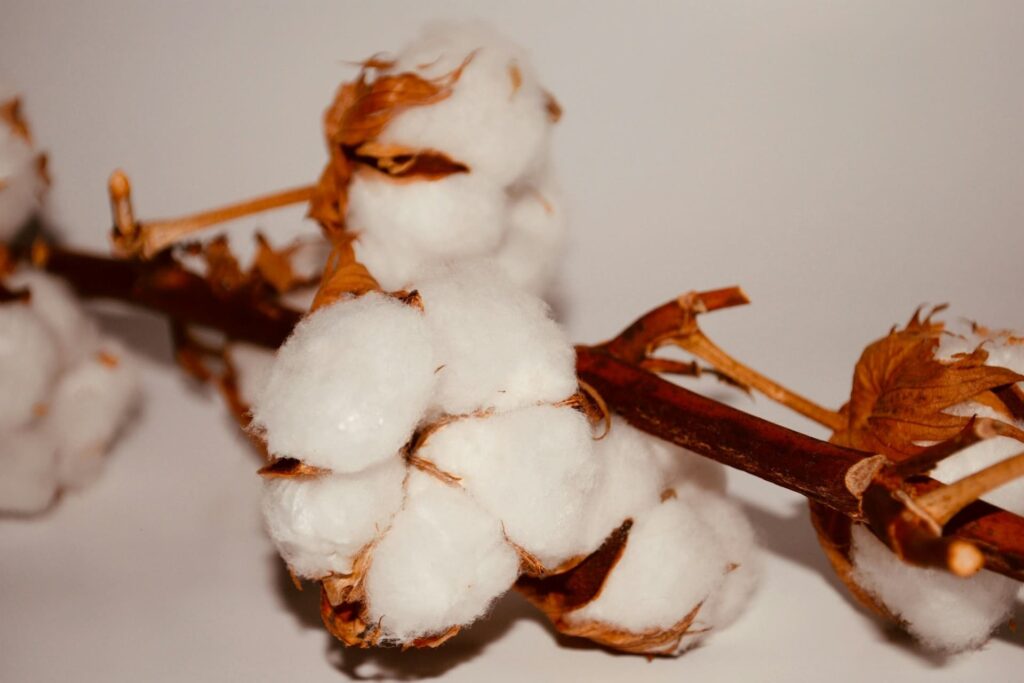
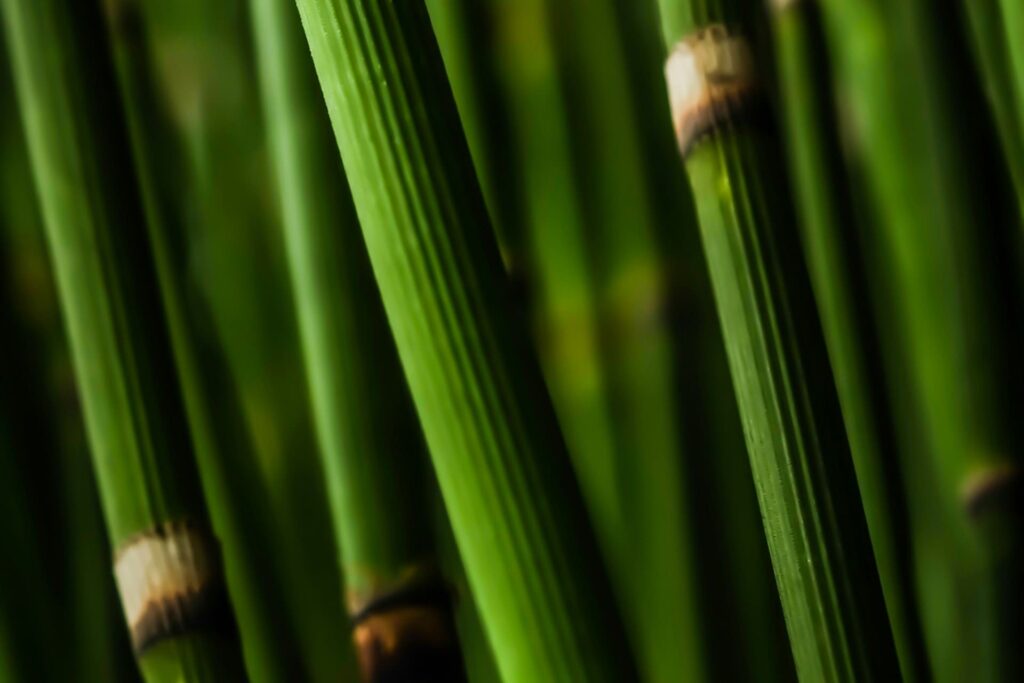
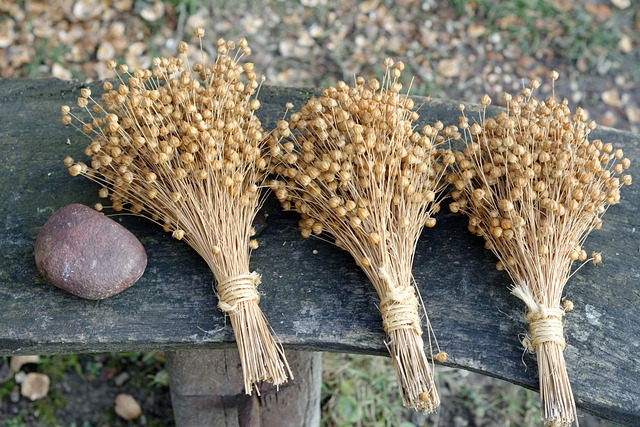
As with animal based fibres, plant fibres also come a variety of sources. The most well known ones are cotton, linen, and bamboo. Newer options include banana silk, jute, hemp, and nettle. Be sure to check the label for care instructions. Some plant based yarns can be pricey, which means anything made from them can also be pricey, You want to make sure you take good care of your investment.

Currently, I am using up my supply of imported cotton. When that needs replacing, I will be looking for a source closer to home.

Synthetic Fibres

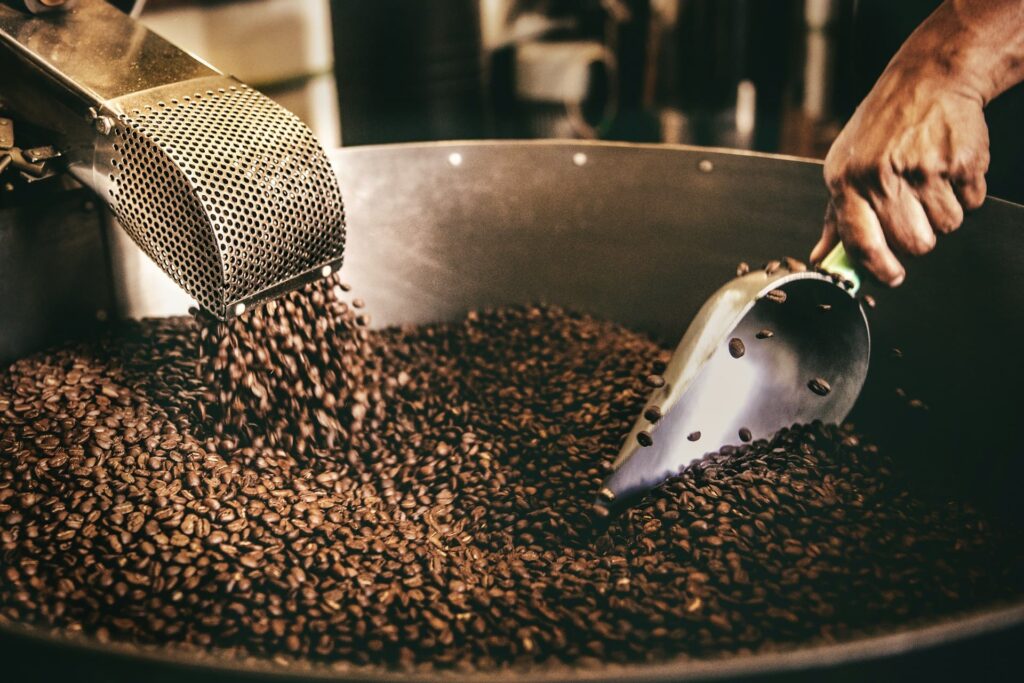
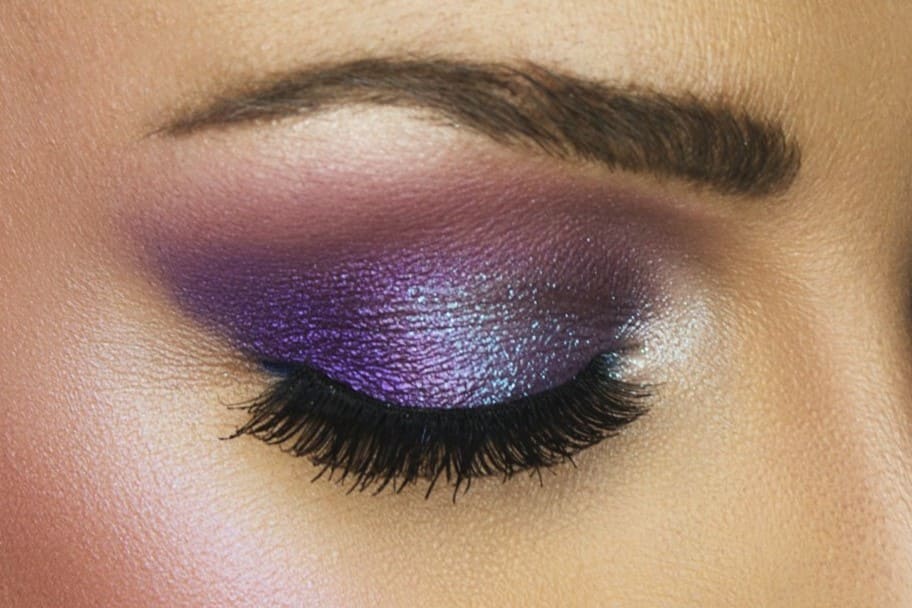
Nylon, acrylic, and polyester are generally the synthetic fibres used for making yarn. These can be washed and dried by machine, which can make them good choices for baby items or items such as scarves that can easily pick up coffee spills and makeup. I recommend placing the item (turned inside out if possible) inside a pillowcase. Then close the opening and secure it with a wide elastic, such as the kind that comes on broccoli. Wash and dry the item in the pillowcase. This process reduces the amount of stretching that can occur as well as taming the fibres when it comes to pilling. Typically, synthetic yarns are made in countries far enough away that they come with a very large carbon footprint. I generally get this type of yarn from Mary Maxim, as they produce their synthetic options in Canada.

Blended Fibres

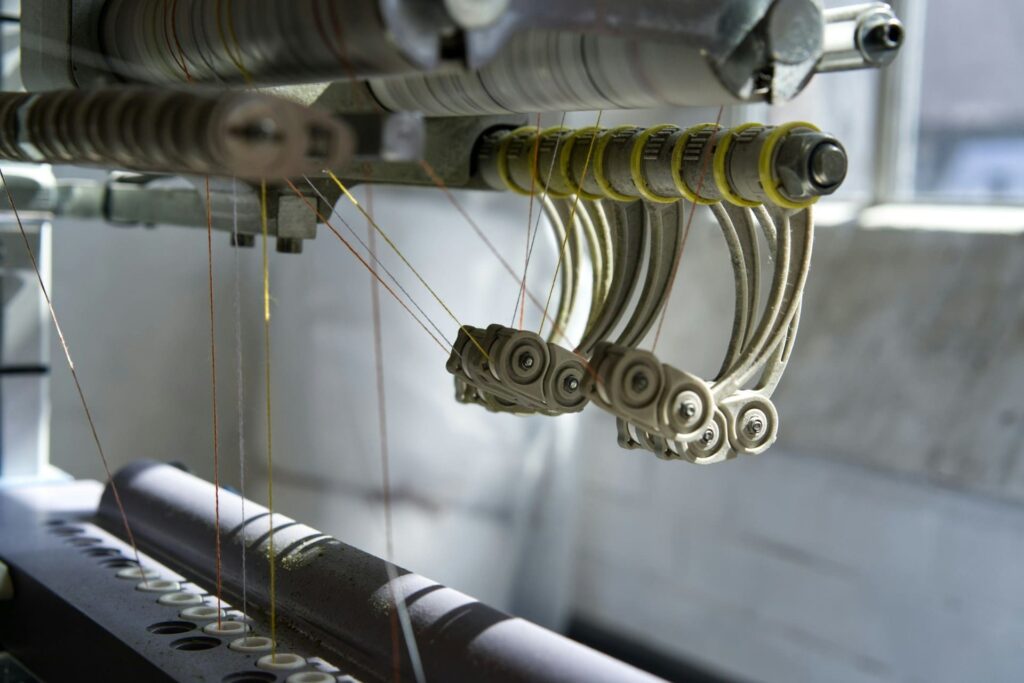
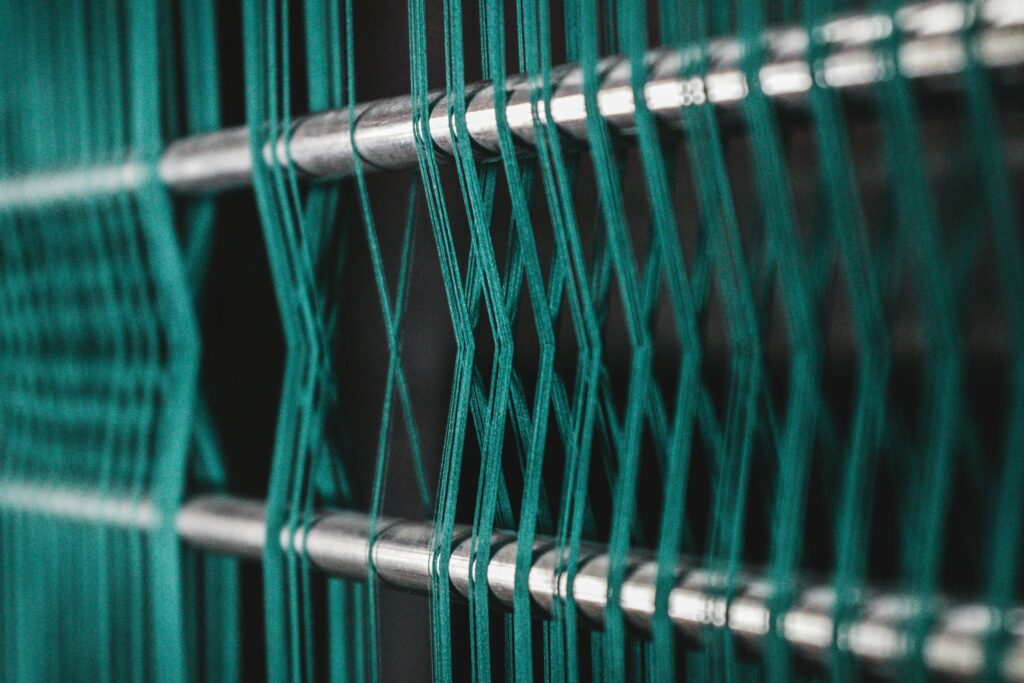
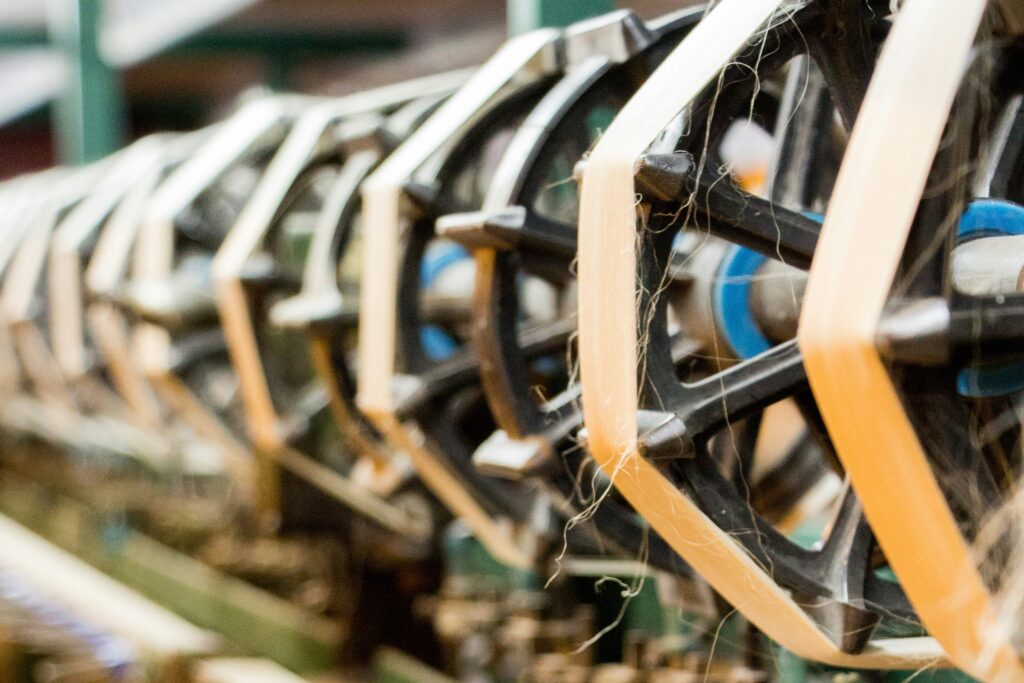
As the pictures above demonstrate, done properly, a blend can be a good thing. Wool is sometimes blended with other animal fibres, plant fibres, and/or synthetic fibres. Blended yarns can increase the durability and life span. For example, some knitters use a wool-nylon blend for socks because nylon protects the wool in high wear in places such as the ankle, heel, and toes. The type of fibre, either 100% or blended, should be noted on the item’s tag. Care instructions that maximize the life of the item should also be attached.

Shopping Cart
Scroll to Top